

Human Resources for Health
Reducing Mortality through Increased Numbers of Available, Skilled, and Motivated Health Workers
GaneshAID supports health workers as an essential factor in delivering healthcare and immunisation interventions.
The health workforce represents the single most significant cost element in providing health services in Low- and Middle-income Countries (LMICs), but many of the poorest countries have been unable to meet the pressing health needs of their populations.
Millions of people die prematurely or suffer from illness or disability unnecessarily because the appropriate Human Resources for Health (HRH) to provide care is not available to them. The health workforce situation is complex and requires a long-term commitment from multiple stakeholders.
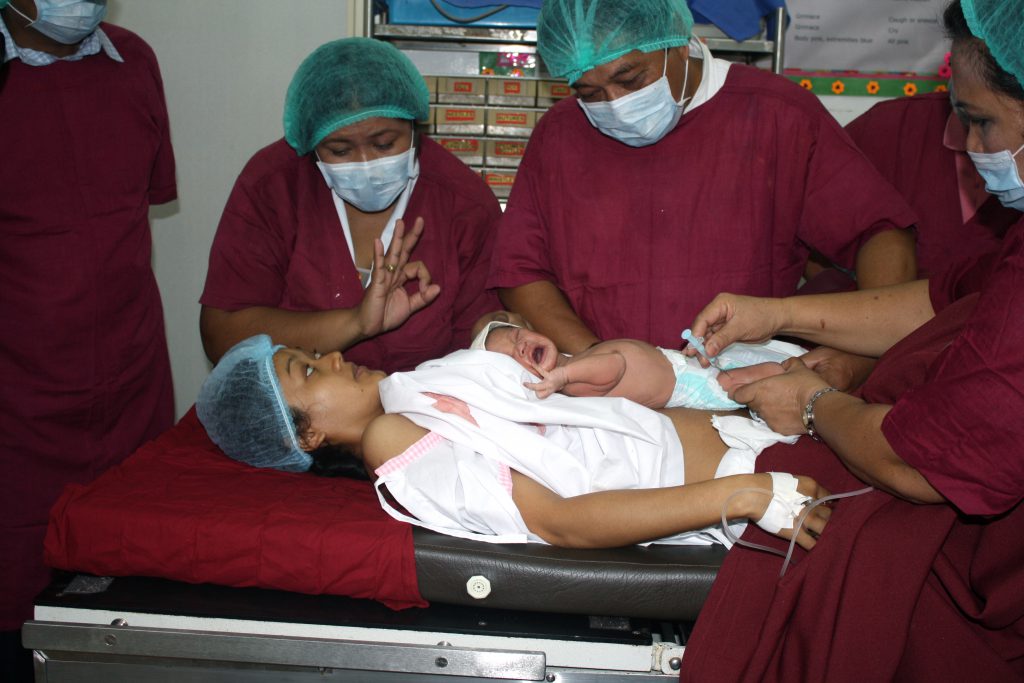
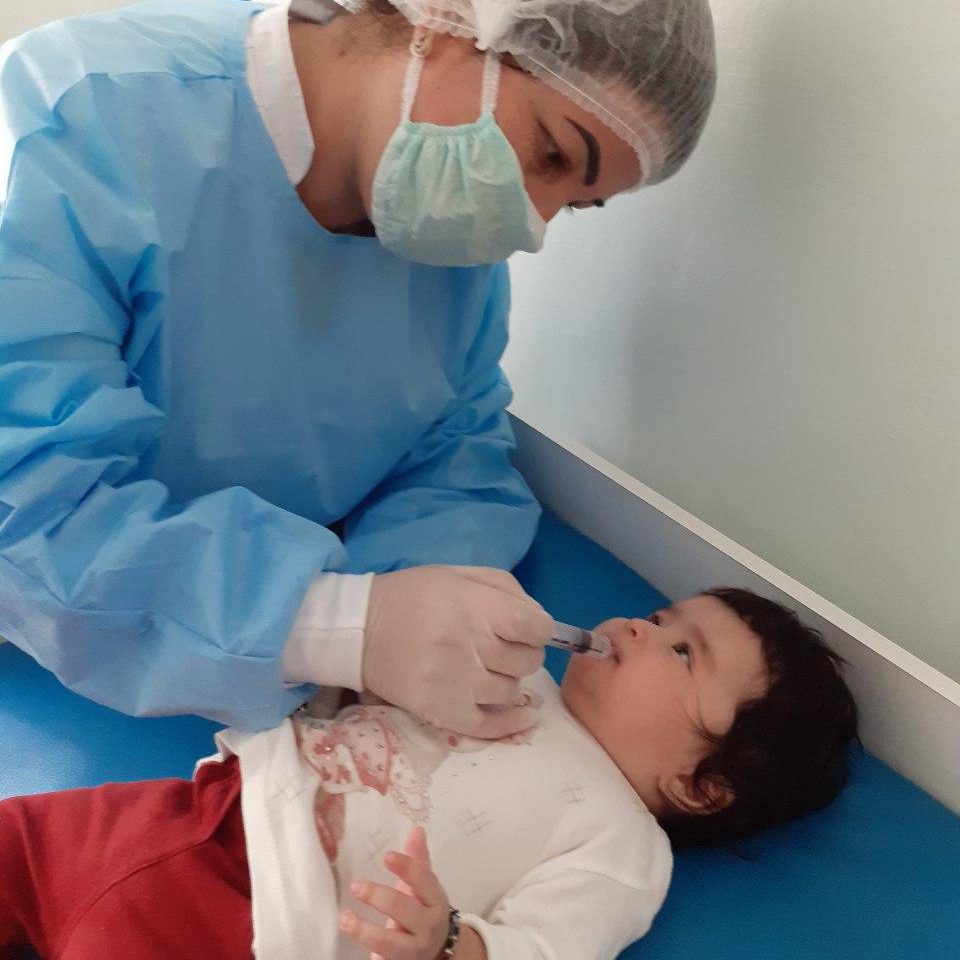
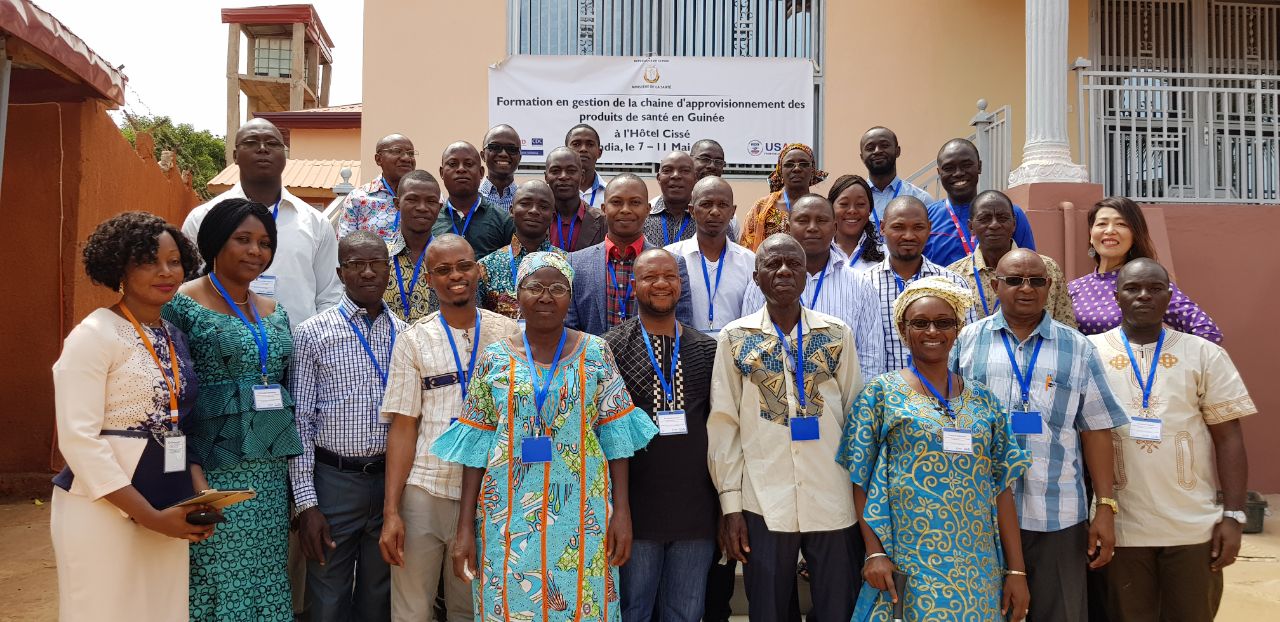
For many years, GaneshAID’s experts have been committed to reinforcing the availability of competent health workers in the right place and at the right time. Since its early establishment, GaneshAID has provided competency-based training to health staff to positively impact the performance of health systems and services.
At GaneshAID, our team has progressively extended its commitment to tackling health service barriers, addressing issues related to insufficient health training and education, inappropriate manpower governance and management, as well as the scarcity of HRH financing.

Our Vision
GaneshAID envisions promoting and reinforcing the enablers of health workforce performance and efficient strategies to improve equitable health and immunisation outcomes in LMICs.
Our Approach
Our approach is grounded on multifaceted interventions that include Strategic Planning, Workforce Management and Development, and Monitoring and Evaluation. New holistic approaches are utilised depending on the country’s situation and contexts but commonly reinforce favorable factors for health workforce performance.

GaneshAID’s Tools to Manage Health Workers’ Performance
At GaneshAID, we utilise various tools as follows to build the capacity of the health workforce:

HRH assessment tools

Training Needs Assessment tools

Learner-centred and competency-based training (in-person courses)

Simulation games

Micro-learning capsules

Mobile-learning courses

Virtual Knowledge Library

Social Media Learning

Networking and community of practices

Performance coaching model

Digitalised performance appraisal

Automatically generated
improvement plans

E-dashboard for
improvements monitoring

‘My today tasks’
with prioritisation

E-Job aids

Digital Marketing of health
and immunisation services
Innovation for Health Workforce Readiness, Education, and Learning to Cope With COVID-19 Pandemic
As part of GaneshAID’s ongoing commitment to modernising health systems, our team has developed innovative solutions to ensure that health workers are prepared, educated, and trained to manage pandemic responses, maintain health services, as well as introduce and deploy COVID-19 vaccines.
Disruption of immunisation services, even for short periods of time, will result in more unimmunised people and increase the risk of developing vaccine-preventable, epidemic-prone diseases such as measles.
It is important to note that outbreaks of vaccine-preventable diseases can result in increased morbidity and mortality, particularly among young children and other vulnerable groups, and represent an even greater burden on health systems that are already under significant strain during the response to the COVID-19 epidemic.
It is therefore essential that vaccinators maintain immunisation activities while limiting the transmission of COVID-19. Given the difficulty of grouping for face-to-face training, an innovative micro and social learning solutionhas been developed, allowing vaccine providers and their supervisors to acquire the knowledge to:
- Ensure safe immunisation activities by protecting themselves and minimising the risk of COVID-19 transmission during immunisation visits.
- Communicate key messages to communities about immunisation as a priority health service during COVID-19, the risks of Vaccine Related Poliovirus, and the benefits of vaccination.
- Use immunisation visits as opportunities to spread messages that encourage behaviours to reduce the risk of COVID-19 transmission.
- Identify the signs and symptoms of COVID-19 disease.
- Provide advice on what to do if symptoms are identified.
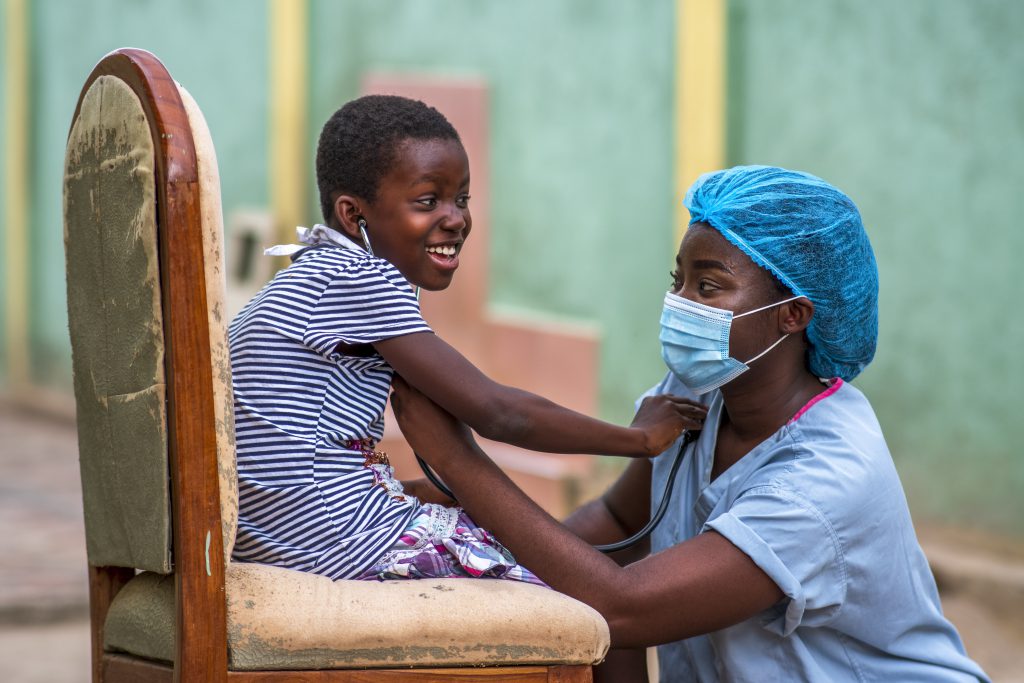
During the pandemic, the vaccinators’ training in real-time is crucial for them to maintain immunisation activities and communicate the protective measures to put in place. This is the reason why GaneshAID, in close collaboration with ANSSP Benin, Gavi, and partners, has developed a mobile learning application inspired by social networking and micro-learning, and targeted to vaccinators.
Educational content and information provided by this application are aimed at protecting vaccinators and supporting them to implement their mission of continuing vaccination activities and encouraging community demand.
As the pandemic progresses, new resources can be added immediately and the set of micro-learning capsules is updated to best reflect changing contexts. This will be possible each time the application of VacciForm is applied for the training and ongoing information of vaccinators facing the COVID-19 pandemic.
Our Key Interventions
- Human Resource for Supply Chain Management Theory of Change and Training Needs Analysis in Thailand and Vietnam – UNICEF-People that Deliver (2020).
- Advocacy for Available and Skilled Manpower in Africa – ADAMA – Save the Children (2013).
- Training package development for Hepatitis Birth Dose Introduction in Senegal – WHO HQ (2015).
- Business Feasibility Study to establish a Regional Asia-Pacific Center of Excellence (RACE) for Health and Immunisation Supply Chain – Gavi Secretariat (2017).
- Tabletop game simulation exercise to test WHO and country-level preparedness when it comes to deployment of influenza vaccine – the PIPDeploy game – WHO HQ (2018).
- Formative, summative, and normative evaluation of Strategic Training Executive Programme (STEP) – Gavi Secretariat (2019).
- Training packages for Managers, Supervisors, and Senior technical staff of Expanded Programmes on Immunisation – WHO EMRO (2019)
- Improving the Quality of African EPI Managers Meetings – WHO AFRO (2021).
- EPI Performance coaching for enhanced supportive supervision C2P in Sénégal – Gavi Secretariat (2018-2022).
- Blended training combining short in-person courses and e-learning on Dengue Fever Prevention and Control in Vietnam – World Bank (2012-2014).
- Blended training combining short in-person courses and serious game on Cholera prevention and control – World Bank (2012-2014).
- Micro-learning and competency-based learning pathways for mOPV2 vaccine management and cold chain logistics – UNICEF (2020-2021).
- Building skilled workforce through Social media learning to maintain immunisation activities during the Covid-19 pandemic VACCIFORM Bénin – Gavi Secretariat (2020-2021).
- Social media learning, competency-based learning pathways to build human resources for immunisation supply chain AFRiSC in Africa – WHO AFRO and HQ (2020-2021).