
🌍 Zero-Dose Identification & Reach Programme
Participatory technical assistance across 8 countries to support Gavi funding applications and zero-dose child identification — Guinea-Bissau, Sao Tomé & Príncipe, CAR, Niger, Tajikistan, Mali, Chad and Mauritania.
The zero-dose challenge
Nearly 10 million children per year — about 13% of each birth cohort — receive no vaccines at all. These "zero-dose" children account for almost half of deaths from vaccine-preventable diseases and are concentrated in underserved communities: conflict zones, remote rural areas, urban informal settlements and mobile populations.
COVID-19 reversed progress sharply — a nearly 30% increase in zero-dose children in Gavi-supported countries in 2020. Previous technical assistance was constrained by limited country ownership, fragmented approaches and weak alignment with Ministries of Health.
GaneshAID's approach provides high-quality, participatory assistance under Ministry leadership — building national analytical capacity alongside funding application support.
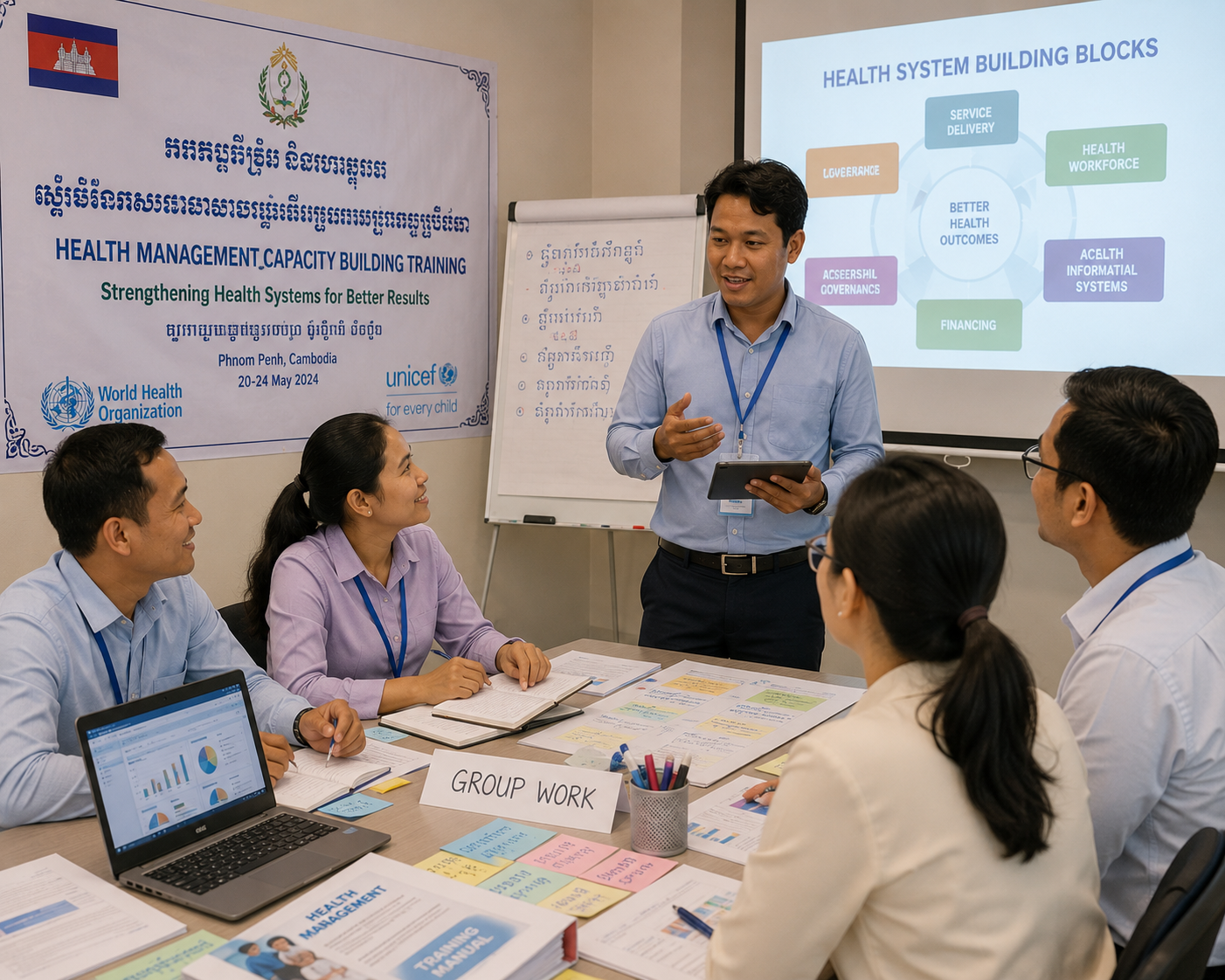
What GaneshAID delivered across eight countries
Primary and secondary zero-dose analysis
Analysis answering all key questions from Gavi's Zero-Dose Analysis Cards. Where needed, additional qualitative primary data collection in-country. Synthesis of coverage gaps and underlying causes differentiated by community typology and geographic context.
Interactive ideation for context-specific solutions
Facilitated ideation sessions (in-person and remote) using Human Centred Design methodology to develop tailored, sustainable solutions to identified barriers. Documentation of action items and follow-up assurance.
Funding application development
Prioritised programmatic interventions reflected in: Theory of Change for Gavi investments; country application narrative; submitted work plan, budget and Monitoring & Learning Plan. All applications developed under Ministry leadership with NGOs, CSOs and humanitarian actors engaged throughout.
Operational Contributions and System Improvements
"The applications were developed successfully under the leadership of the Ministries of Health, and the engagement of EPI stakeholders — including NGOs, local CSOs and humanitarian actors." — GaneshAID Evidence Matrix
Country-led applications
All eight applications developed under Ministry ownership, not as donor-driven products.
Differentiated barrier typologies
Context-specific zero-dose barriers identified by community type across diverse geographies.
Replicable HCD methodology
Human Centred Design ideation validated across diverse country contexts as scalable equity design model.