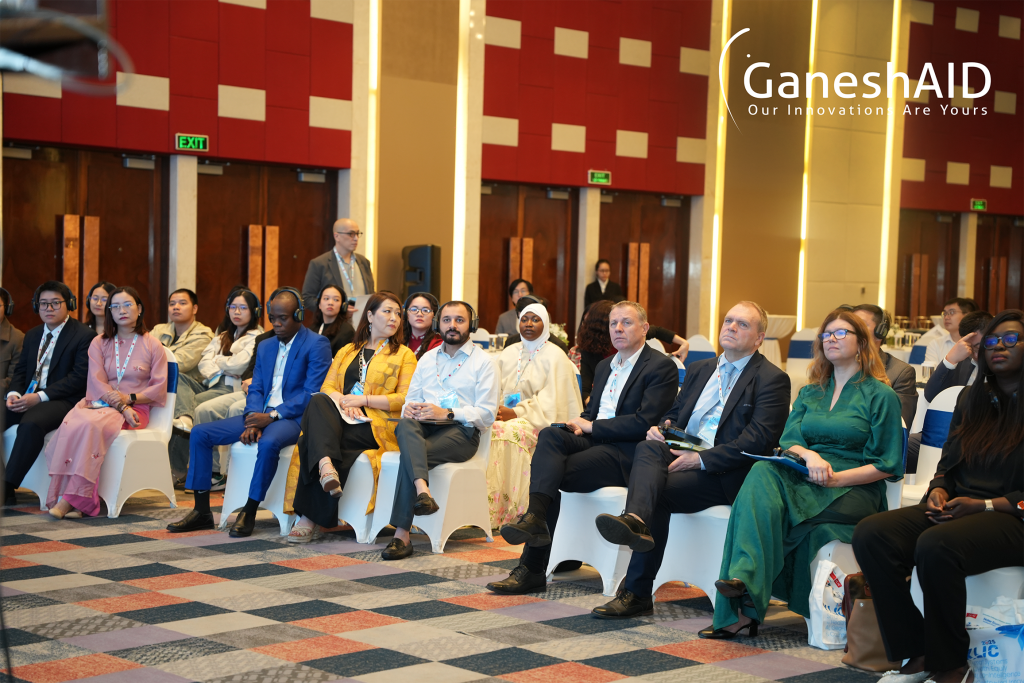
After three days of exchange, reflection, and co-creation, KLIC2025 closed with a sense of progress that felt both earned and shared. It promptly transformed into a living dialogue, in which country leaders and global partners honestly spoke about challenges, explored new pathways, and recognized that innovation only matters when it improves real lives. Their presence and openness gave KLIC2025 its true character: a place where expertise meets humility, and ambition meets practicality.
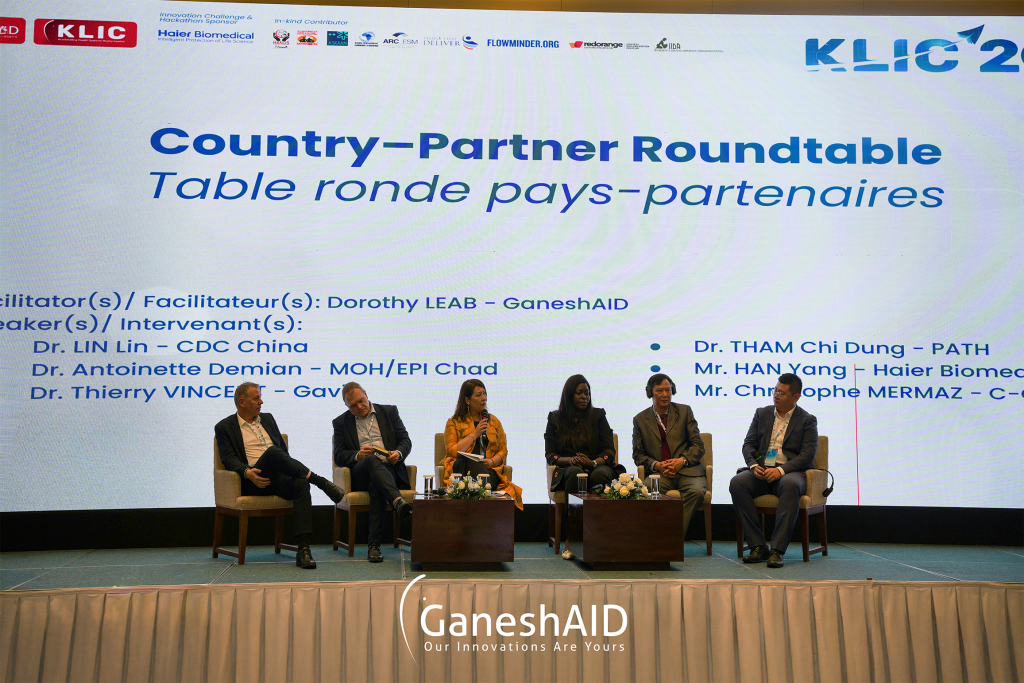
That spirit translated directly into the innovations presented throughout the program. Across plenaries, roundtables, and labs, country leaders sat side by side with different countries’ Ministry of Health and global partners from UNICEF, Gavi, several Centers for Disease Control and Prevention, PATH, Haier Biomedical, and GaneshAID as co-thinkers confronting shared realities. Together, they showcased forward-looking solutions designed to strengthen immunization systems end-to-end: from data governance and digital supervision, to AI-assisted decision support, geo-intelligence for zero-dose identification, and climate-smart cold chain solutions. These initiatives were not theoretical concepts, but practical demonstrations of how systems can become more resilient, health workers more empowered, and services more responsive to those most at risk. One message remained clear: health equity is not a concept–it is a responsibility that must be designed into systems from the start.
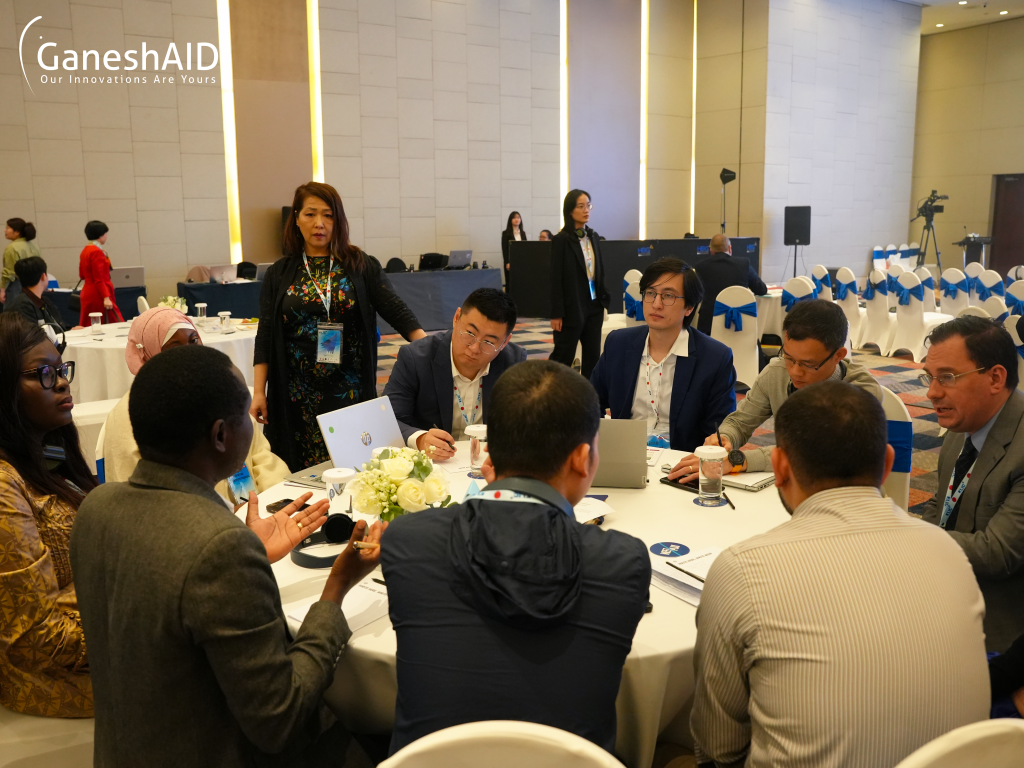
It was this commitment to real-world impact that came fully to life during the Hackathon. Country teams transformed shared insights into actionable prototypes, grounding innovation in lived experience and local need. Reflecting on this moment, Mrs. Dorothy Leab, Founder & CEO of GaneshAID, reminded participants that “what we wanted to show through this Hackathon is that innovation doesn’t need to be big or complicated. Even small ideas, developed quickly, can address systemic challenges–and every country can innovate.”
Guided by this principle, the awards that followed celebrated a diversity of strengths: Uganda for community engagement, Cambodia for digital supervision, Burundi for system integration, Chad for problem-solving, Senegal for clarity, Mali for high impact, and Senegal again for the Grand Hackathon Prize. Together, these achievements affirmed one clear message–countries already hold the ingenuity required for transformation; what they need is the space, trust, and support to unleash it.
What made this year exceptional was not only the depth of the conversations but their breadth. With delegates from 30 countries across six continents, including national directors, global agency leaders, researchers, and frontline implementers, KLIC2025 became a truly global ecosystem of learning. All of this was made possible thanks to the dedication of our partners, presenters, in-kind contributors, and the steadfast online facilitation of Dr. Andrew Brown. Their efforts elevated both the rigor and inclusiveness of the event. We also extend our sincere appreciation to Haier Biomedical, whose continued support as Innovation Showcase & Hackathon Sponsor brought invaluable energy to the innovation space.
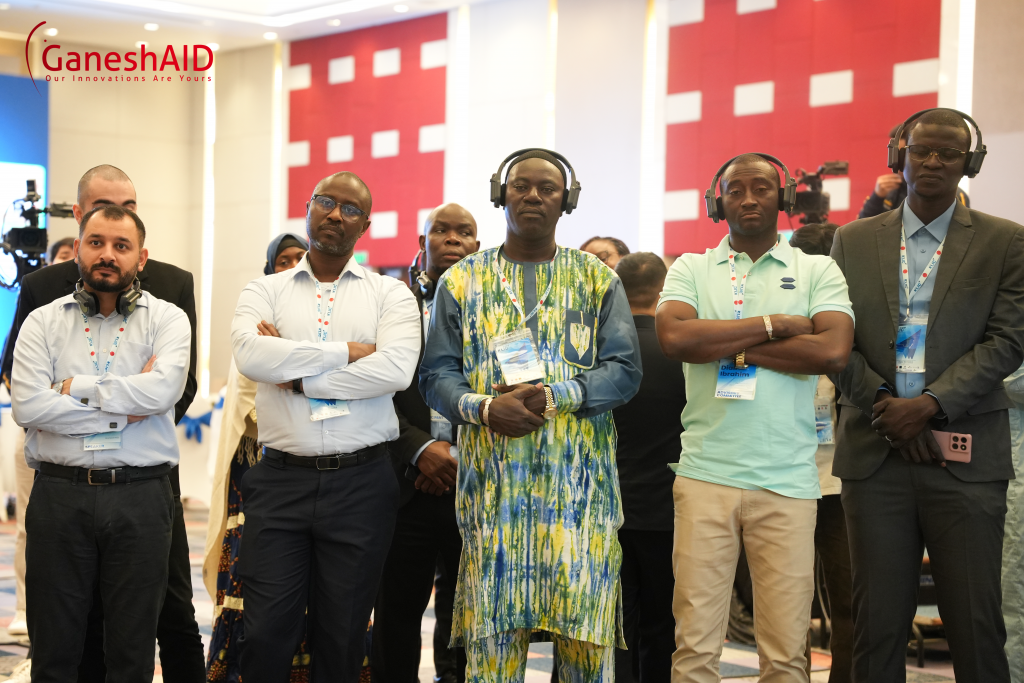
As KLIC2025 concludes, its impact still multiplies. The insights shared, the prototypes developed, and the partnerships strengthened now begin their journey back into countries, where they will evolve, scale, and continue shaping systems capable of reaching every child. GaneshAID remains committed to accompanying this movement, ensuring that the progress made in Hanoi becomes progress felt across the world.

 FR
FR  EN
EN