

Ensuring vaccine quality depends on a cold chain that functions reliably at every level of the health system. In Tunisia, this reliability is shaped not only by the availability of equipment, but also by the capacity of the workforce to install, monitor, and maintain it under varied operational conditions. To address these needs, a five-day national training on the sustainable management and maintenance of vaccine cold chain equipment (ECV – WHO/PQS) was conducted from 19 to 23 January.
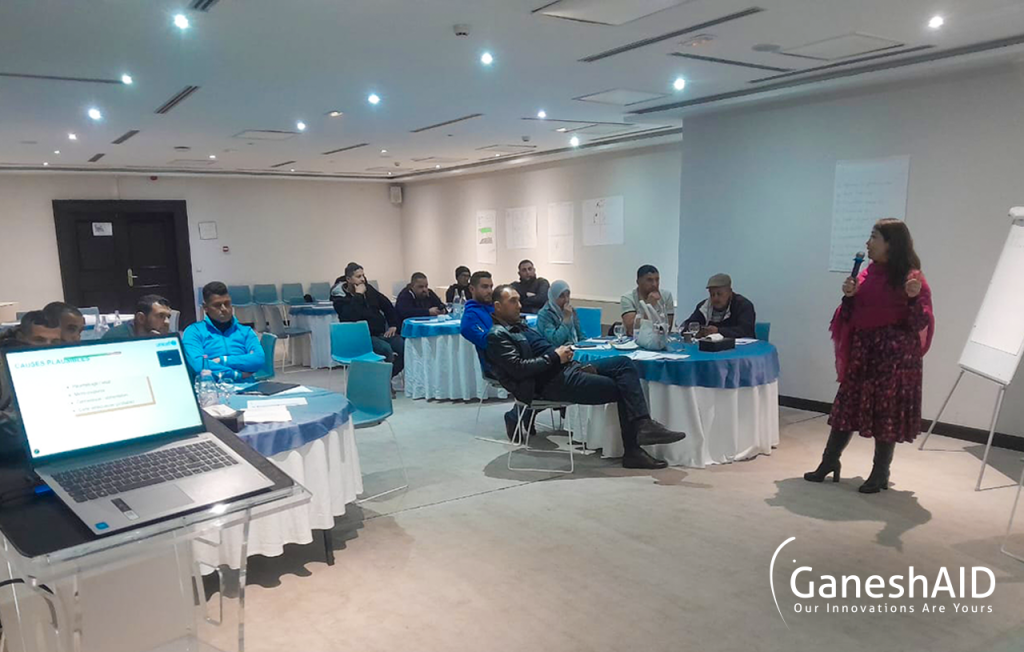
The training was jointly organized by the Ministry of Health, UNICEF Tunisia, and GaneshAID to support practical improvements in how cold chain equipment is maintained on the ground, with a focus on building skills that can be applied consistently over time. It created a shared learning space for regional biomedical engineers, technicians, and national partners to exchange experiences and strengthen their ability to respond to real maintenance challenges.
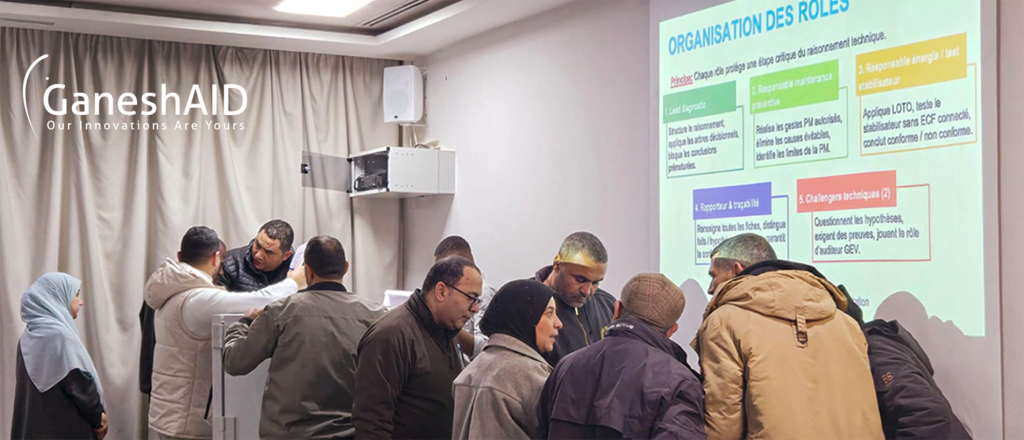
Over the course of five days, participants moved from understanding how maintenance decisions affect vaccine quality to observing real conditions, analysing common issues, and applying solutions in practice. Through site visits, collective reflection, and hands-on exercises, they strengthened their ability to make informed decisions, respond to incidents, and adopt a more preventive approach to maintenance—preparing them to apply these skills in their routine work.

As the training ended, attention shifted to what would happen afterwards. Participants spoke about going back to their workplaces—to the same equipment, routines, and pressures—but with new ways of approaching them. For GaneshAID, the training matters in these moments, where small, consistent actions taken each day quietly ensure that vaccines remain safe for all.

 EN
EN  FR
FR