
On 18 December 2025, the STEP 2.0 Pakistan Graduation Ceremony marked the completion of a structured leadership development journey for 19 immunization supply chain professionals from federal, provincial, and district levels. Implemented by GaneshAID in coordination with the Pakistani Federal Directorate of Immunization (FDI) and People That Deliver (PtD), with support from Gavi, the programme focused on strengthening leadership capabilities to drive practical and sustainable improvements in immunization supply chains.
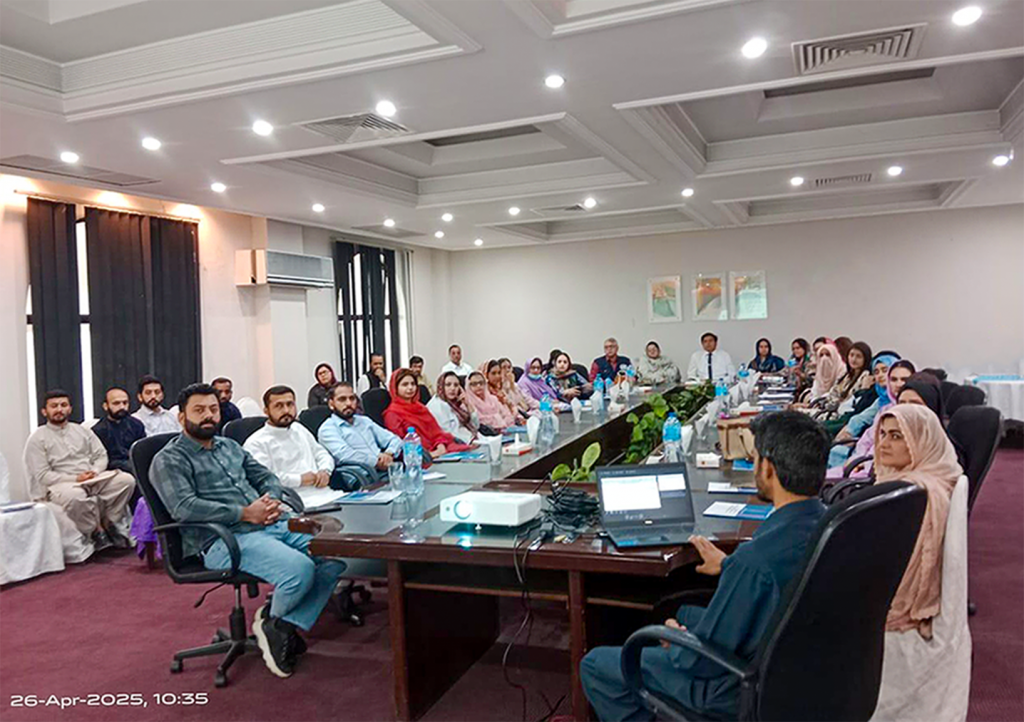
Opening the ceremony on behalf of FDI, Dr. Inam Ali Bhatti recognized the collective effort behind the cohort’s achievements and the role of structured learning and collaboration throughout the programme.
“Through workshops, structured exercises, regular follow-up meetings, and presentations, all participants successfully completed their Transformation Challenges. These achievements reflect strong collaboration between GaneshAID, the coaches, facilitators, and participating teams, and demonstrate how leadership development can translate into real operational results,” he said.
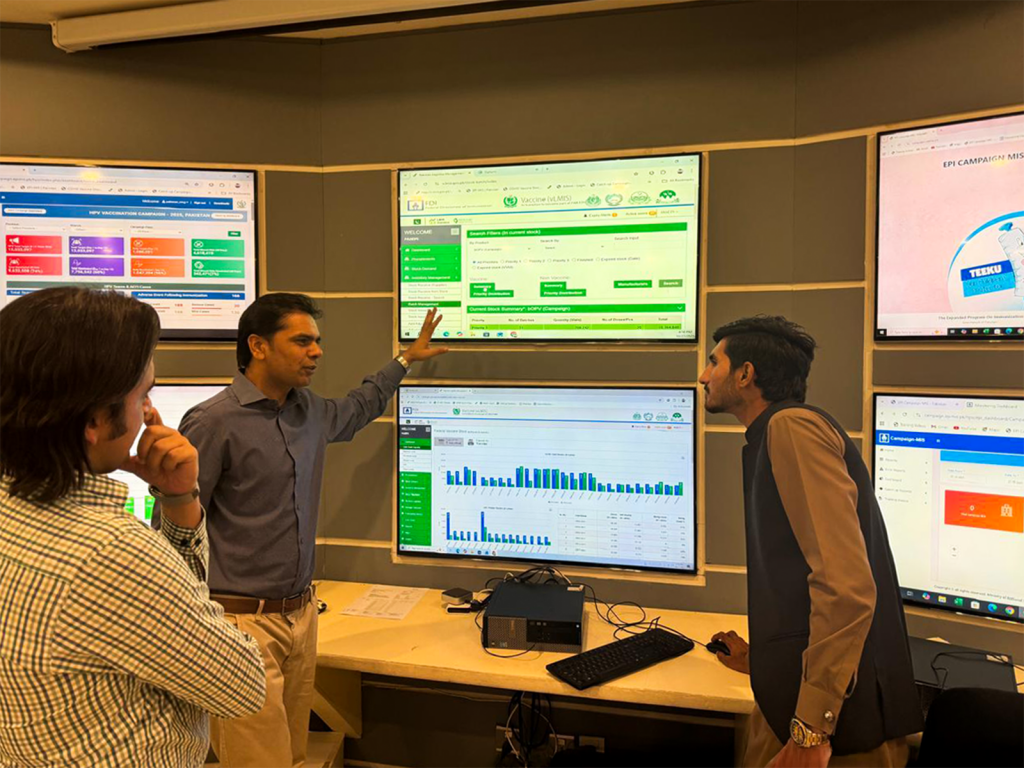
The ceremony underscored that STEP 2.0 is not positioned as a stand-alone training, but as a leadership journey grounded in real-world application. Participants progressed through a learning pathway that combined online self-learning, an intensive in-person workshop, and a four-month Transformation Challenge implemented within their own work environments. Supported by regular coaching, peer exchange, and progress reviews, participants applied leadership frameworks to address persistent challenges including stock visibility gaps, cold chain reliability, data use, and coordination across levels of the health system.
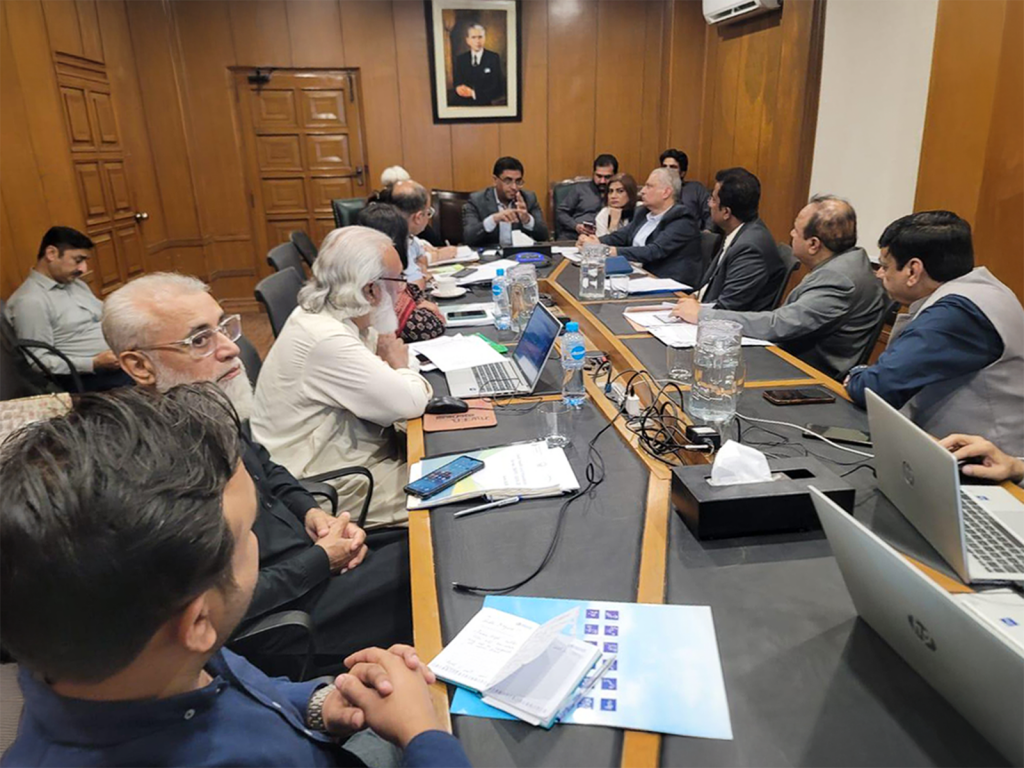
Representing Gavi, Mr. Kevin Etter highlighted the broader significance of the graduates’ work within immunization systems and the responsibility that accompanies strengthening vaccine delivery.
“The graduates we celebrate today are part of something far bigger than a training course. They are shaping new ways of thinking about vaccine delivery. Vaccines save lives only when they reach the people who need them most, and across Pakistan and much of Southeast Asia, health workers face difficult terrain, long distances, and unreliable infrastructure. These barriers demand innovation, and the work you have led through your Transformation Challenges directly contributes to overcoming them,” he said.

Reflections from team sharing sessions illustrated how leadership was practiced in diverse contexts. Participants described a shift from fragmented and reactive processes toward more coordinated, data-informed systems. Across teams, strengthened review mechanisms, clearer accountability, and embedded data use contributed to reduced stock-outs, improved vaccine availability, and more responsive supply chain management. Rather than treating challenges as fixed constraints, teams reported greater confidence in adapting their approaches and improving performance over time.
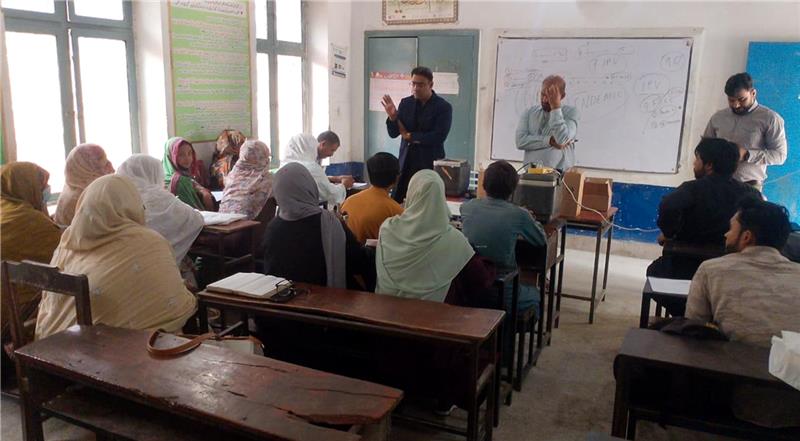
Reflecting on the nature of change achieved through the programme, Mrs. Dorothy Leab, Lead Facilitator of the STEP 2.0 Pakistan cohort from GaneshAID, emphasized sustainability and leadership behavior as defining outcomes.
“You did not create one-time fixes. You embedded change into standard operating procedures, dashboards, committees, and work plans. What matters most is that you created new habits of leadership. Sustainable system change does not come from more reports or pressure from the top, but from leaders who can see the system clearly, mobilize others, and act with discipline over time,” she said.
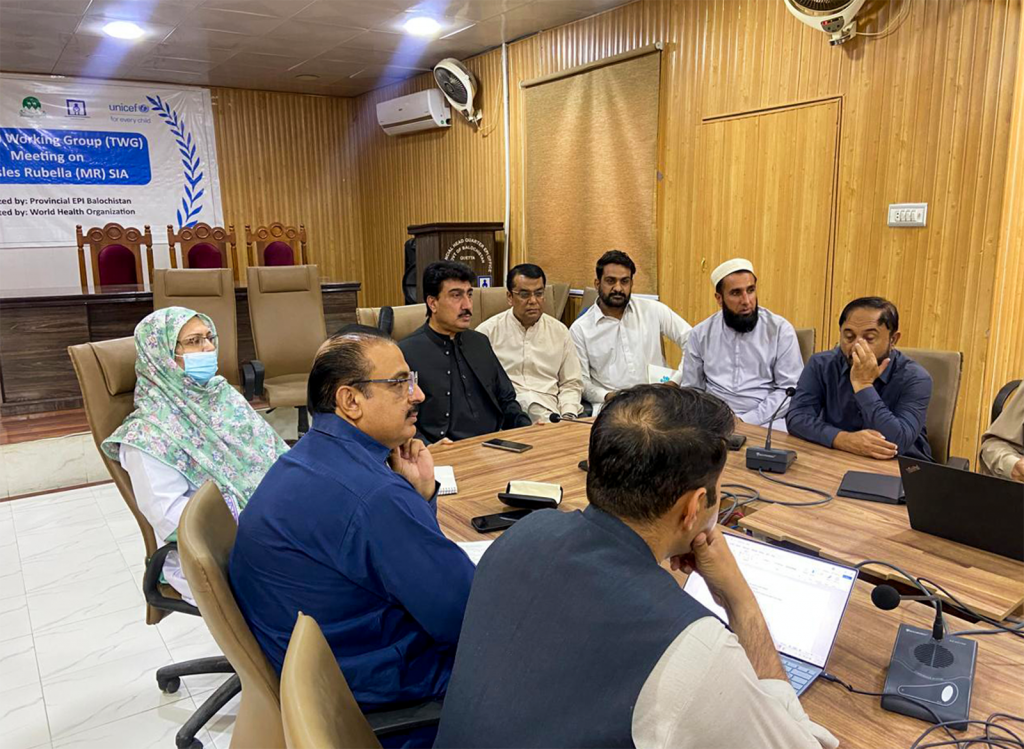
The ceremony concluded with the announcement of all 19 graduates, achieving a 100 percent graduation rate after Phase III, and recognition of the coaches, facilitators, and partners who supported the programme. As STEP 2.0 Pakistan concludes, its graduates are well positioned to sustain and scale the changes they have led across districts and provinces.

 EN
EN  FR
FR